
The Cover That Ate Itself
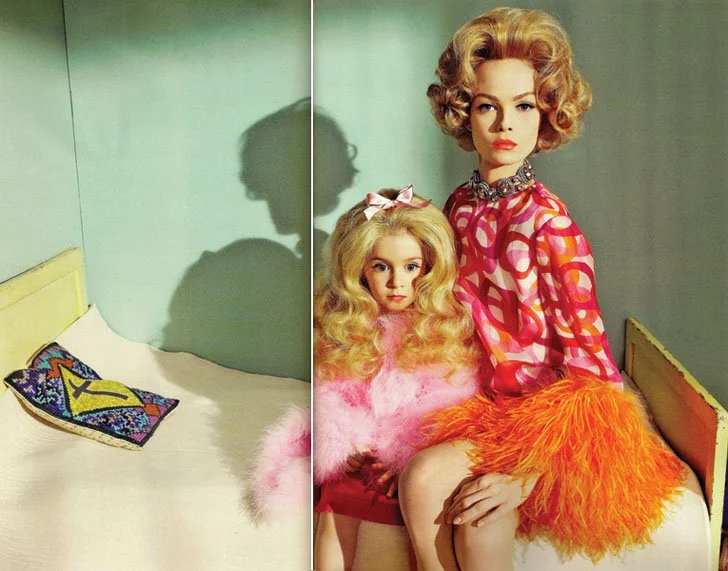
Take a look at this image. Go on, really look at it. A heavily made-up young girl, wide-eyed and doll-blank, draped in pink feathers, sitting on what appears to be her mother's lap. It reminds me of that bizarre documentary, Living Dolls: The Making of a Child Beauty Queen (HBO, 2001).
Now: what book is this destined to be wrapped around?
If your answer was Lolita, you'd be in good company. Or Valley of the Dolls, maybe. Something by Patricia Highsmith? A particularly dark episode of Black Mirror? When Penguin posted this image on Facebook in August 2014 and asked followers to guess which classic it would be gracing, those were exactly the answers that came back. Nobody guessed correctly, even with the hint that the answer was "worth more than a golden ticket."…
THERE ARE SOME THINGS YOU SHOULDN’T MESS WITH…
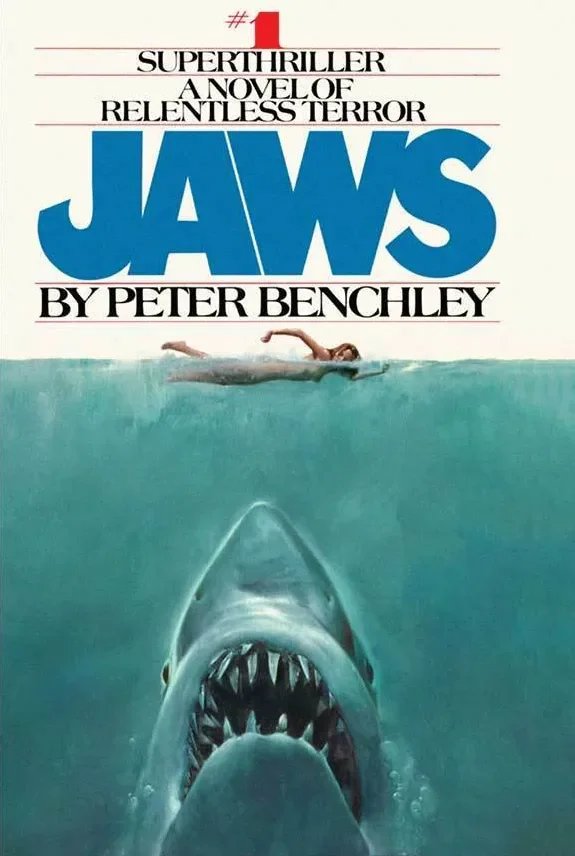
There's a specific kind of fear that the original Jaws cover produces. The woman at the surface, oblivious. The shark rising from below, enormous beyond comprehension. The vast, indifferent dark between them. It's a cover that doesn't just sell a book. It gets under your skin and for me, it simply stayed there so long, I might as well have had it tattooed. People who encountered it in the 1970s still feel a flicker of unease when they swim in open water. That's not marketing. That's myth-making.
What makes this story irresistible to anyone who cares about book design is that nobody planned it that way. The iconic Jaws cover, the one by illustrator Roger Kastel that became synonymous with the Spielberg film (and shark-related terror in general) was the product of rejection, compromise, executive panic, a $17 necktie offered as a peace offering, and a spectacularly candid admission that the image everyone finally approved "looked like a penis with teeth."